
This year, 15 teams are attending the CanSat competition, organised by ESERO Finland. The first CanSat competition in Vaasa gathered seven teams. One team from Estonia, two from Sweden and four teams from Finland. There is definitely something interesting in here.
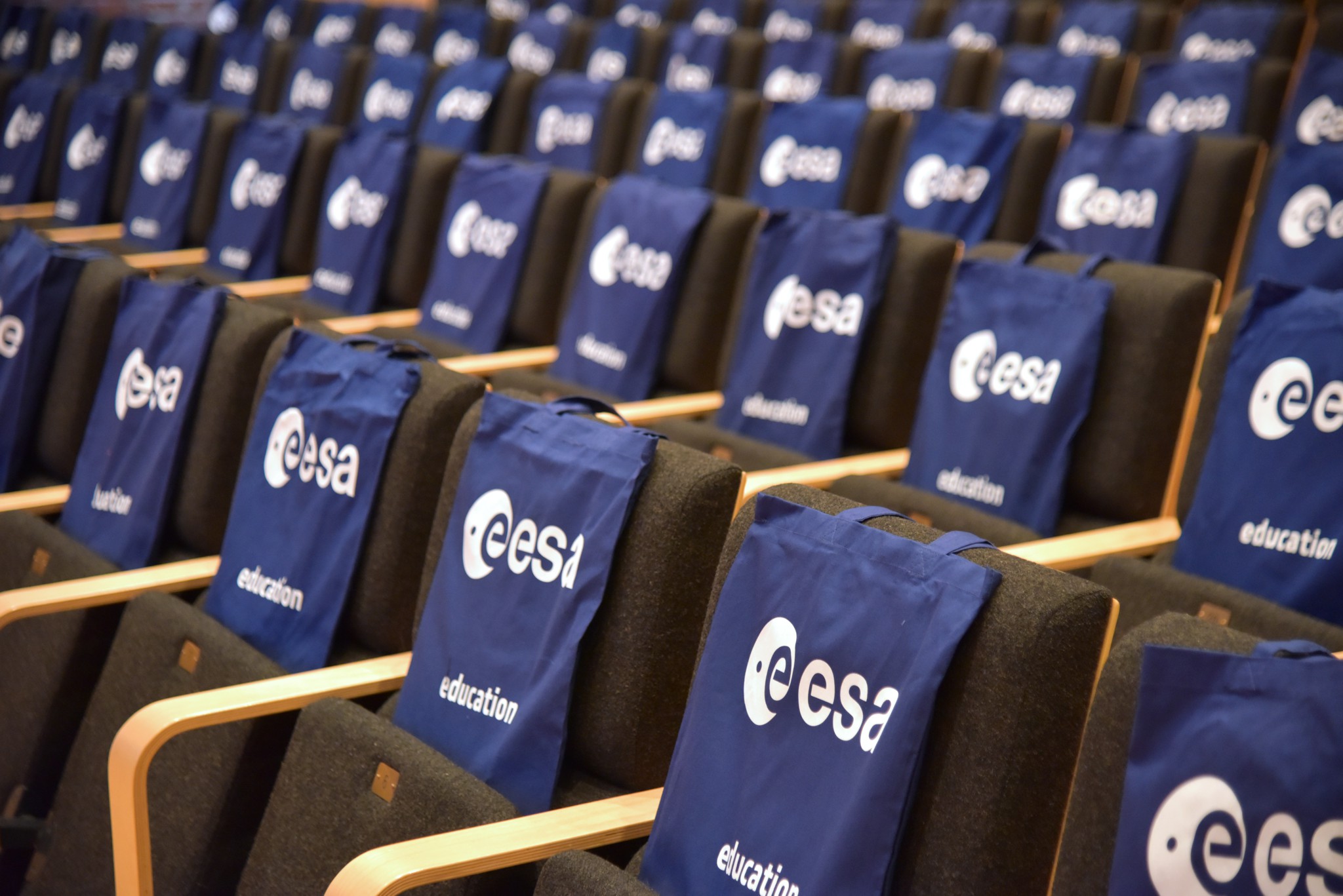
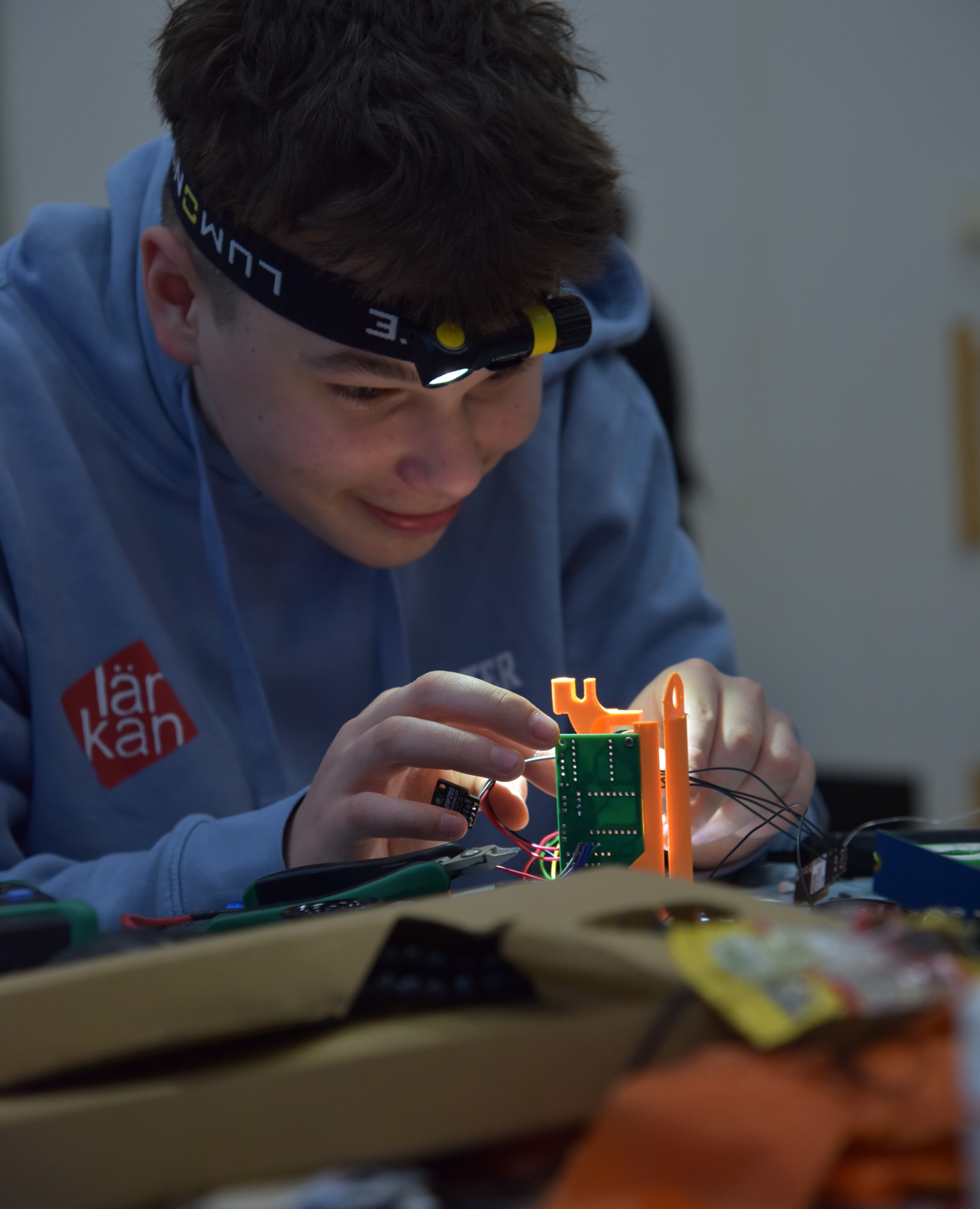
”Keep it simple, but do it really well!” That’s so true, but on the other hand, so difficult to follow. This year, we have a lot of really interesting projects. There’s also a lot of frustration in the room. Things that worked just perfectly a couple of days ago refuse to do so today. But – that’s just the way it is when you are pushing your limits.
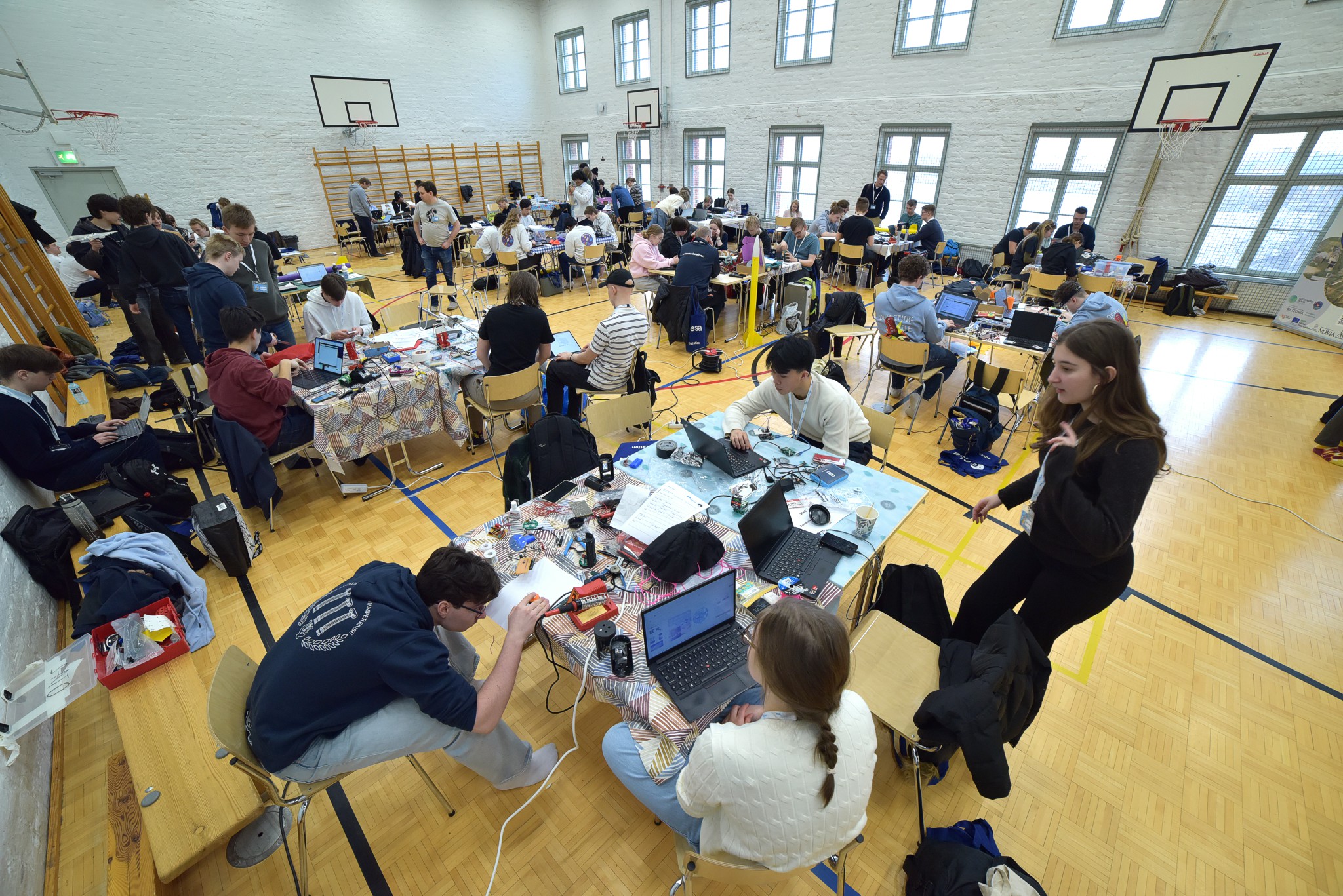
However, all teams keep their pre-flight presentations and manage to pass the technical inspection. We are ready for launch tomorrow!
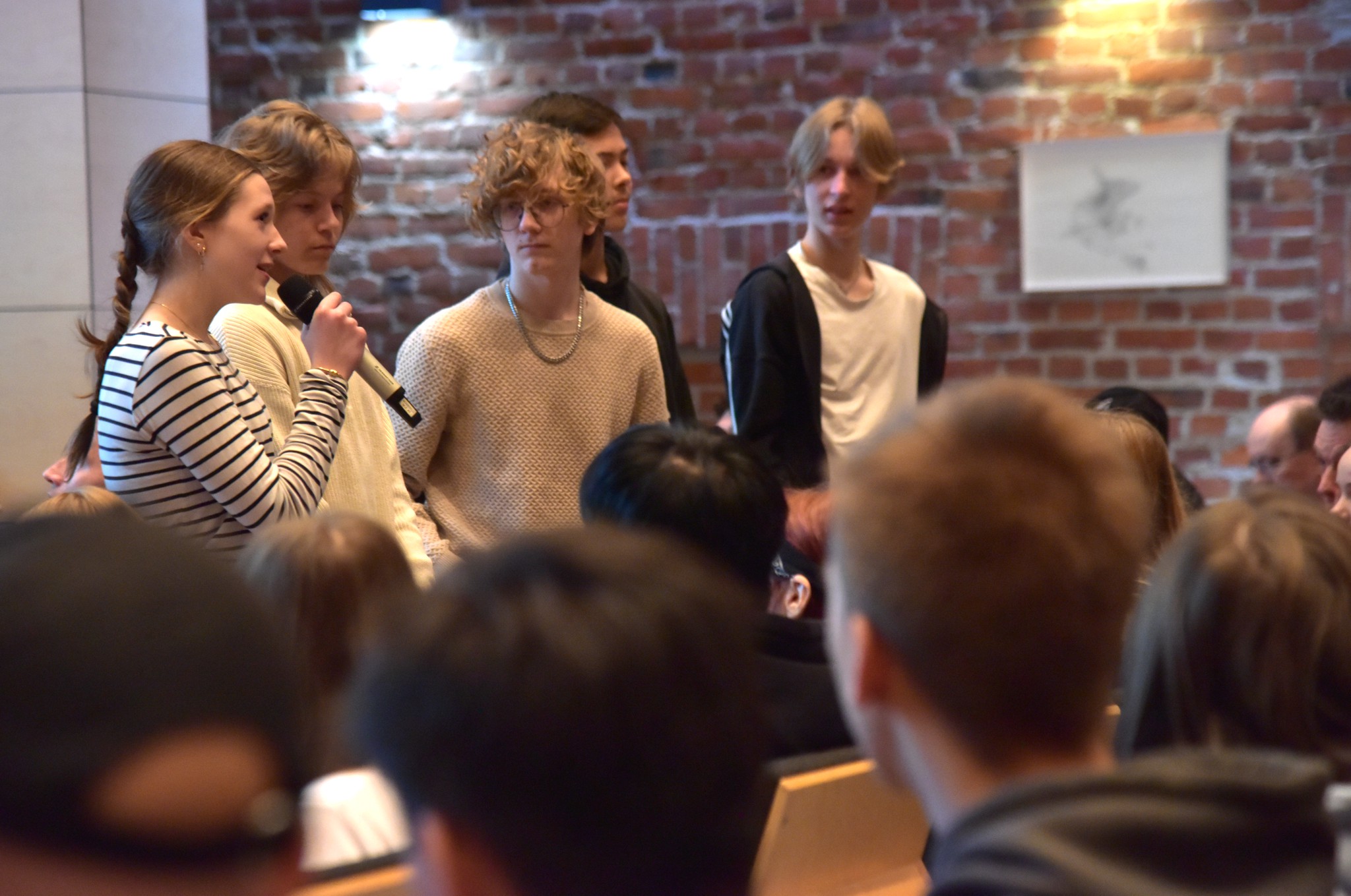
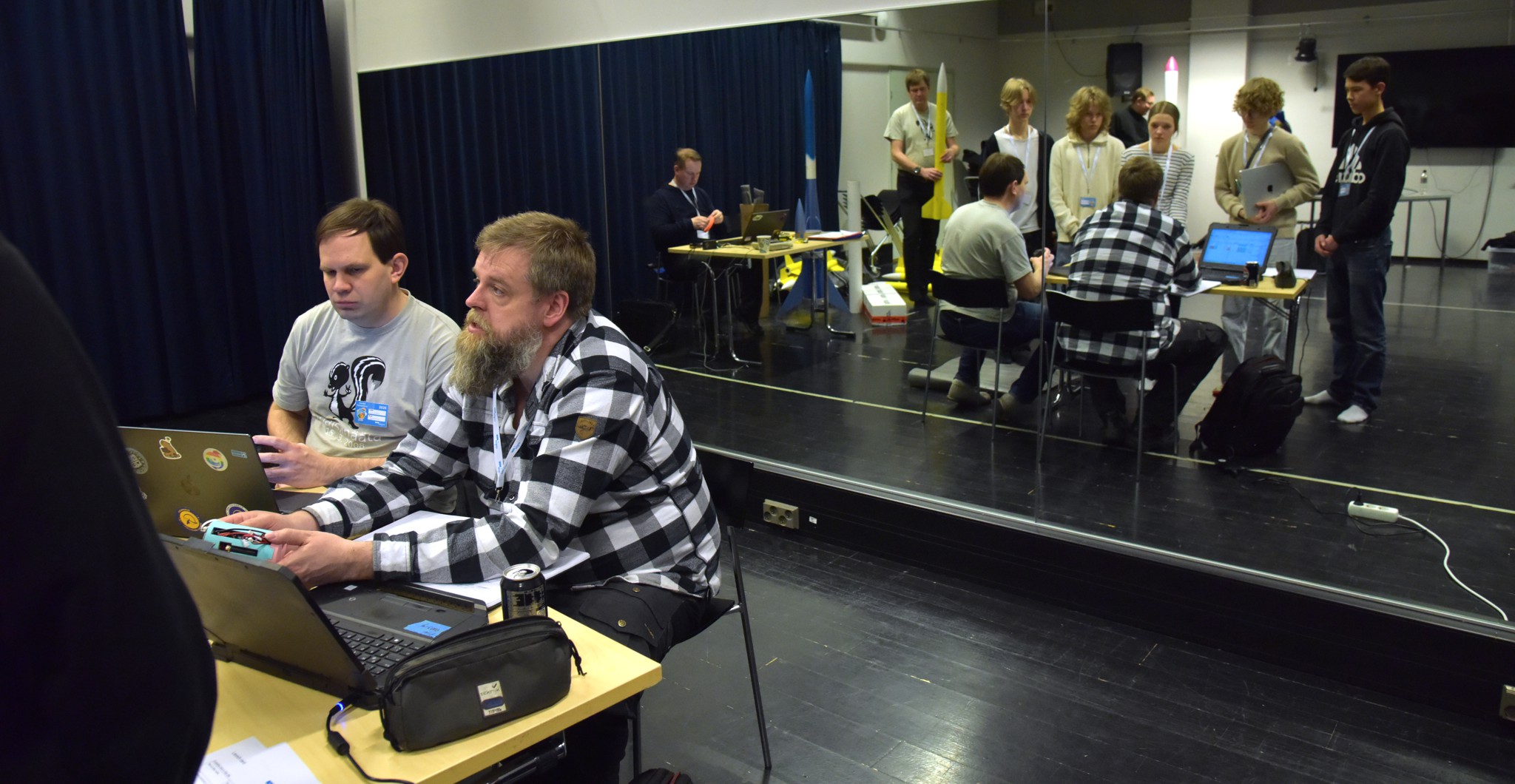
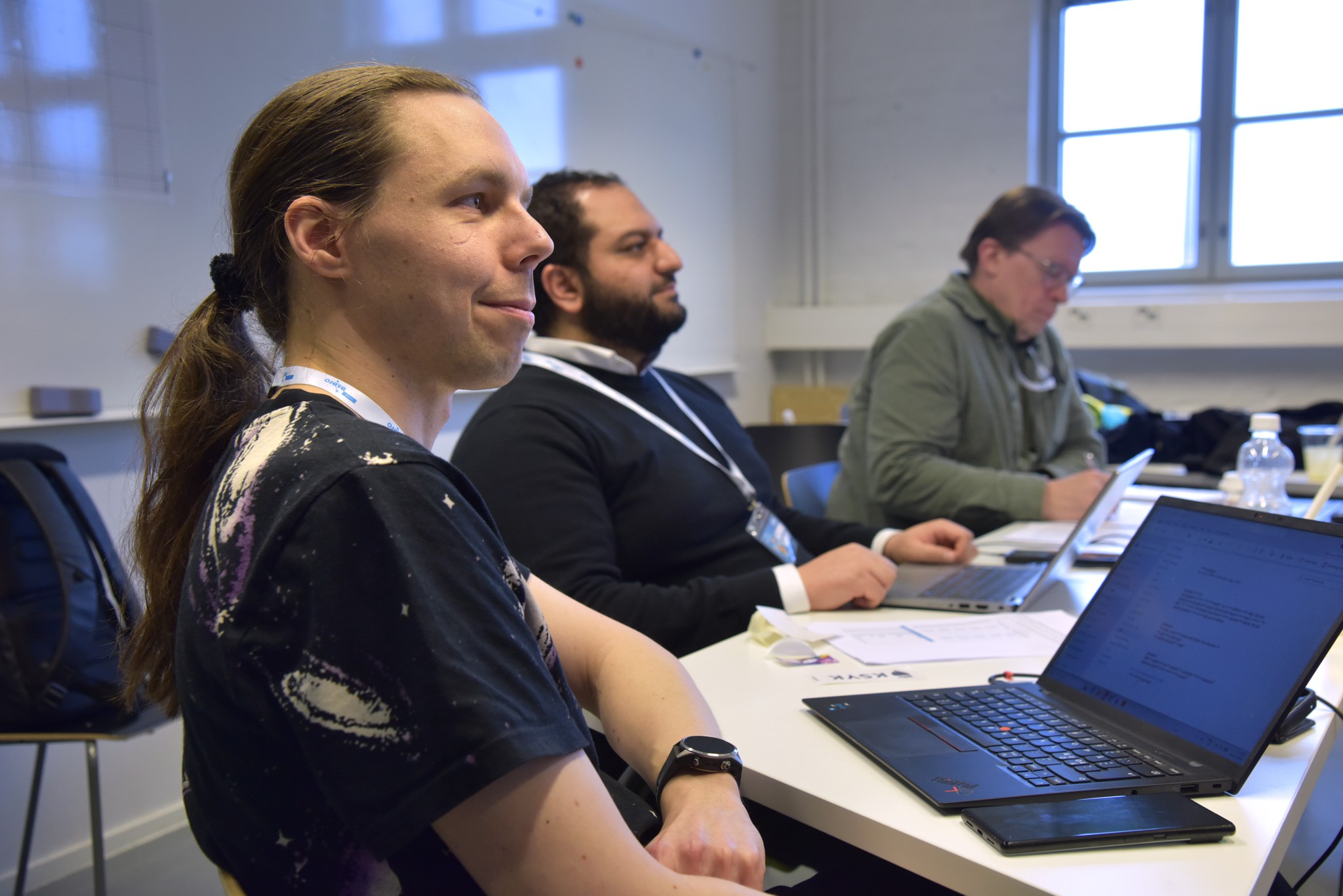
The teams told each other, as well as the organisers and referees, about their projects. To me, it looked as if they all had a relaxed approach to the ”Keep it simple, but do it damnd good!” advice. On the other hand, there may be some really good experiences around the corner.
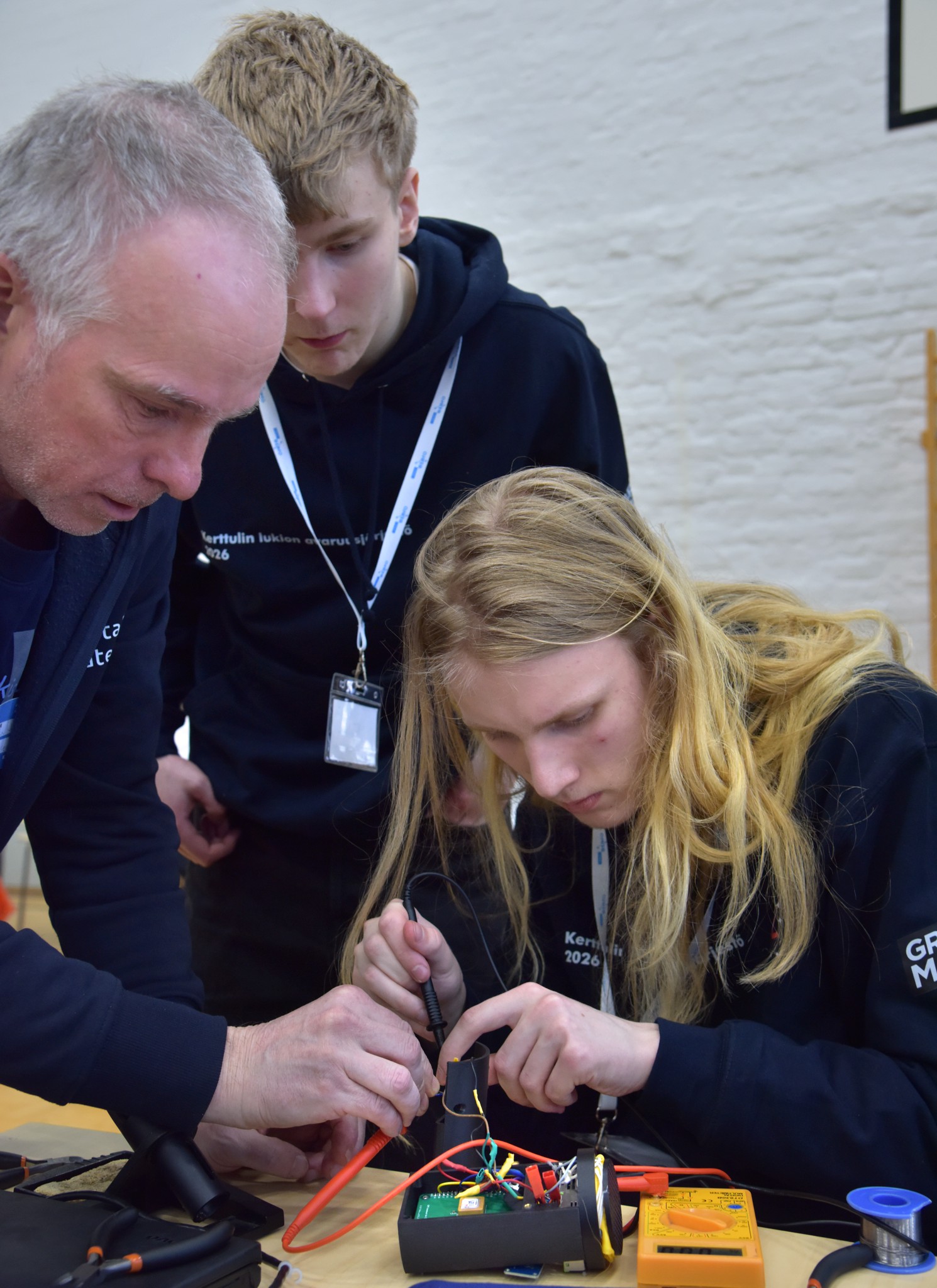
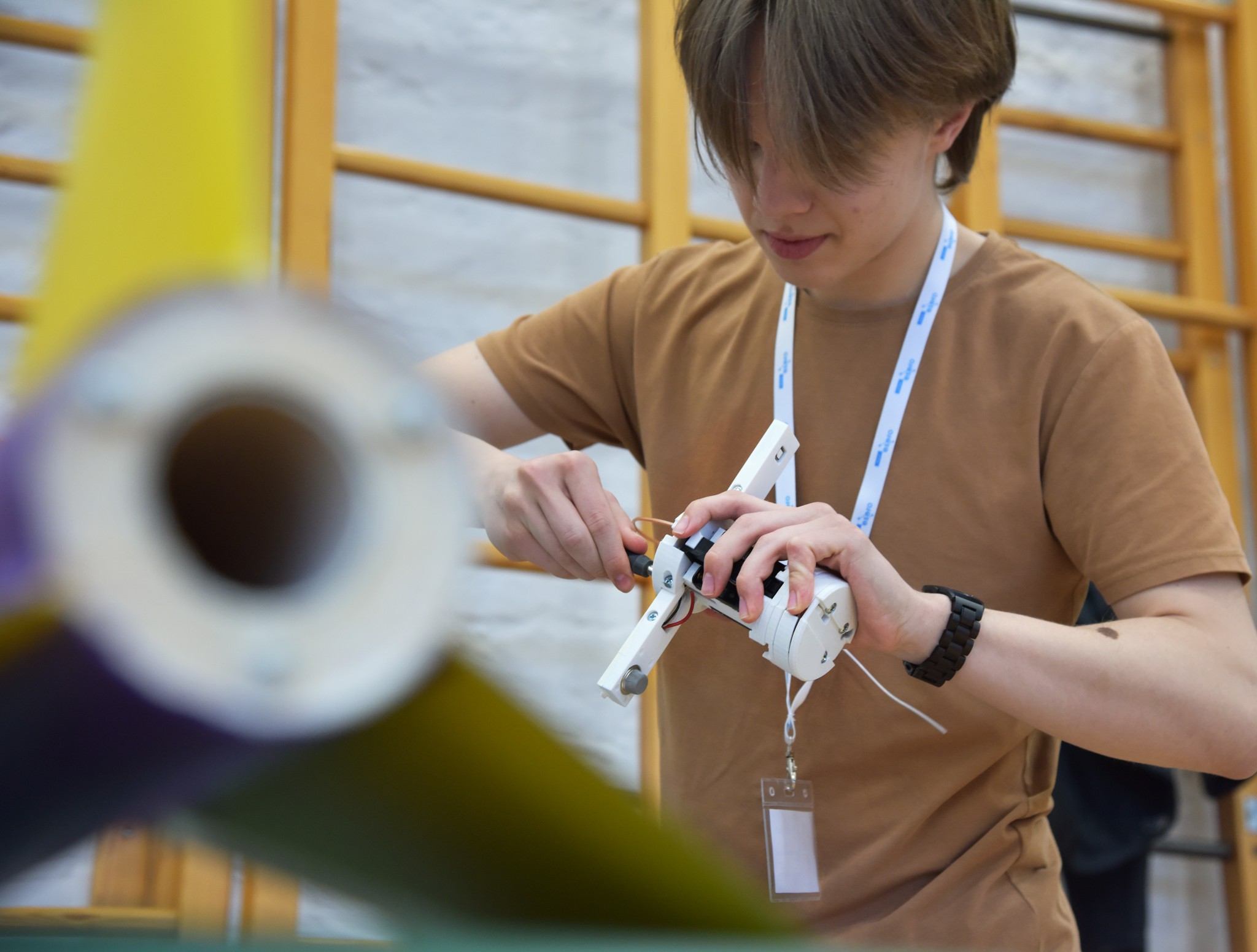
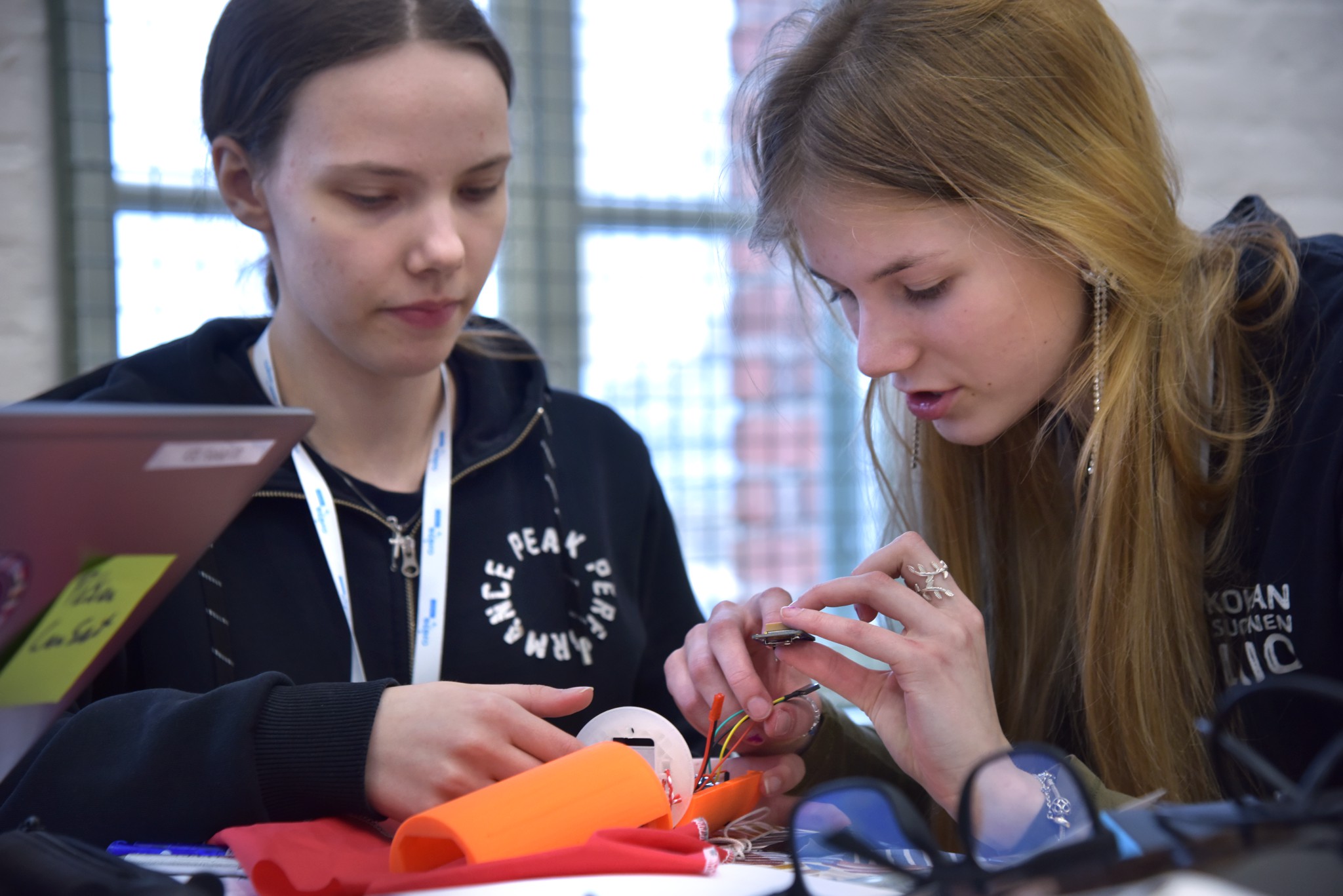
It is a competition, but it’s also an arena for learning. Here, you get a chance to practice your knowledge, to test your skills and to improve your ability to work in a team to make a project come true. The Sun touched the horizon before most of the teams were ready to take a break or to call the working day complete.
Launch day
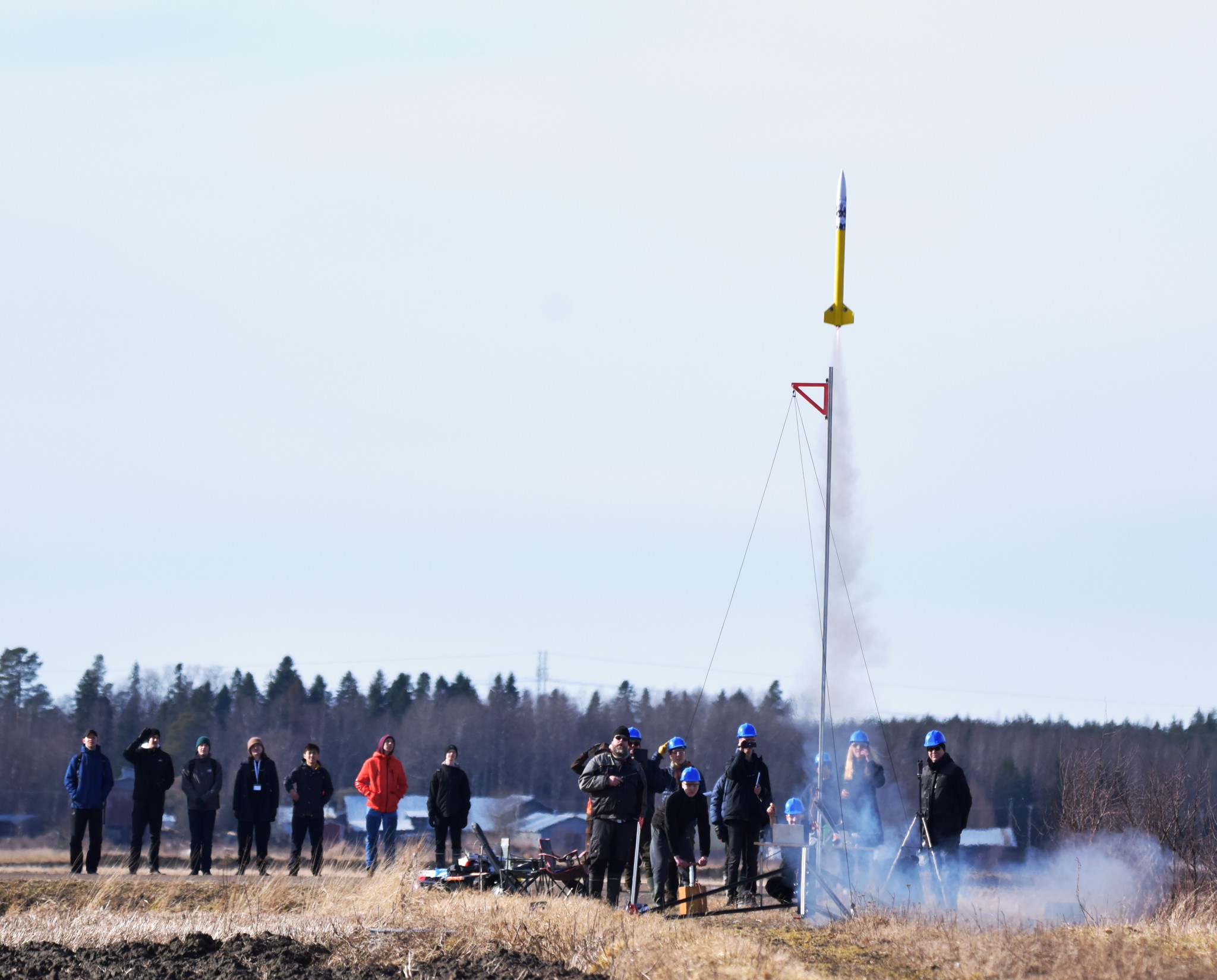
Friday. Around 0°C. Clear sky. The wind has decided to sleep this day over. In other words, it couldn’t be more beautiful.
On the other hand, there are 15 CanSats to be launched. That’s more than ever before in Finland, and the weather forecasts for Saturday aren’t that nice. Soon, it is obvious that at least the morning launches are perfect. The lack of wind also means that the CanSats, as well as the rocket, will hit the ground quite close to the launch. That, of course, facilitates the search and keeps the pace up.
To find a suitable time for the CanSat competition is hard. You have to avoid days close to the final exams in the upper secondary school. This year, it was (too) close to the final exam in chemistry. There is also the Easter holiday and the rising spring temperatures to take into account. Well, the Easter holidays are several days away, but the temperature has risen above 0 °C, which guarantees muddy boots in the afternoon.
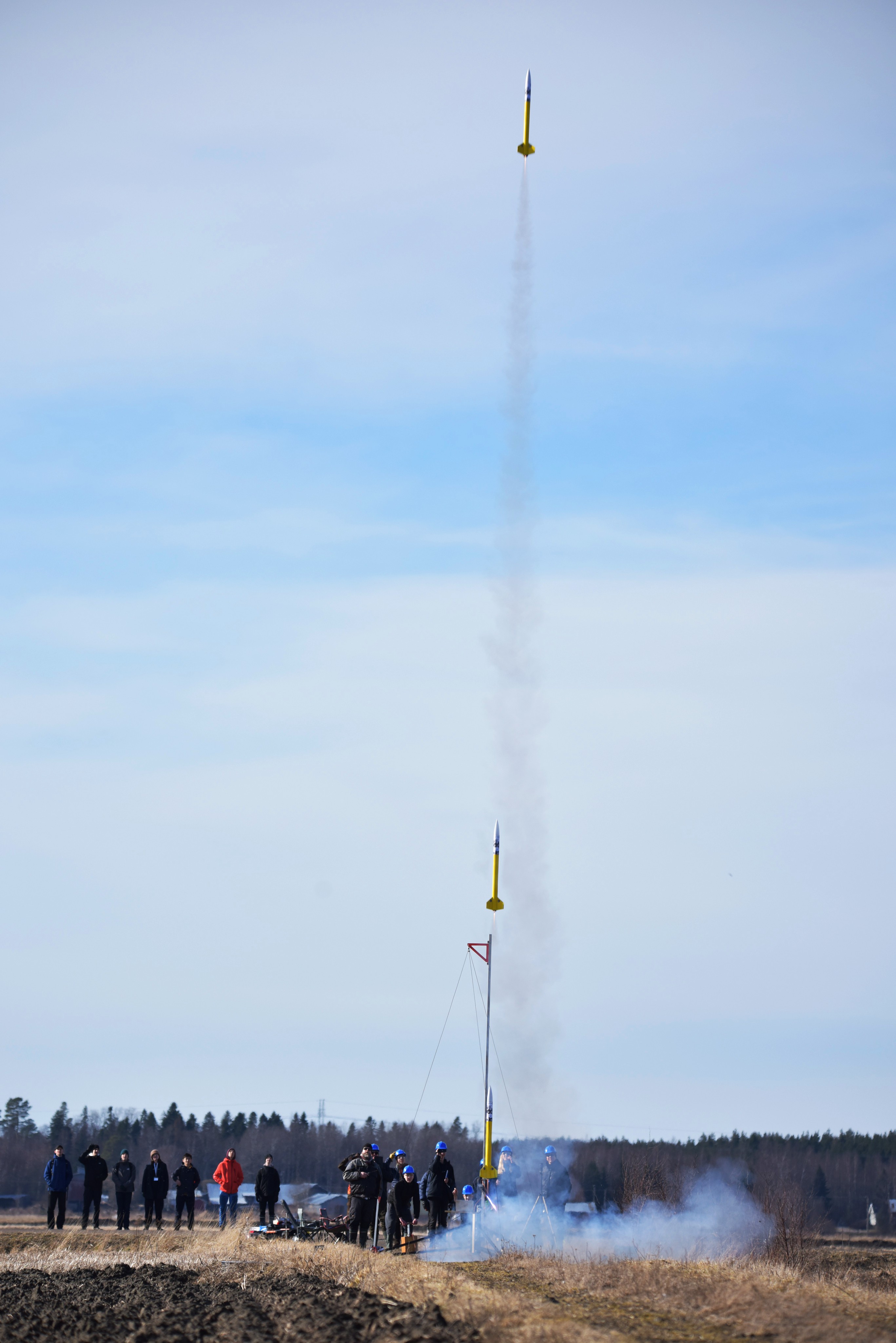
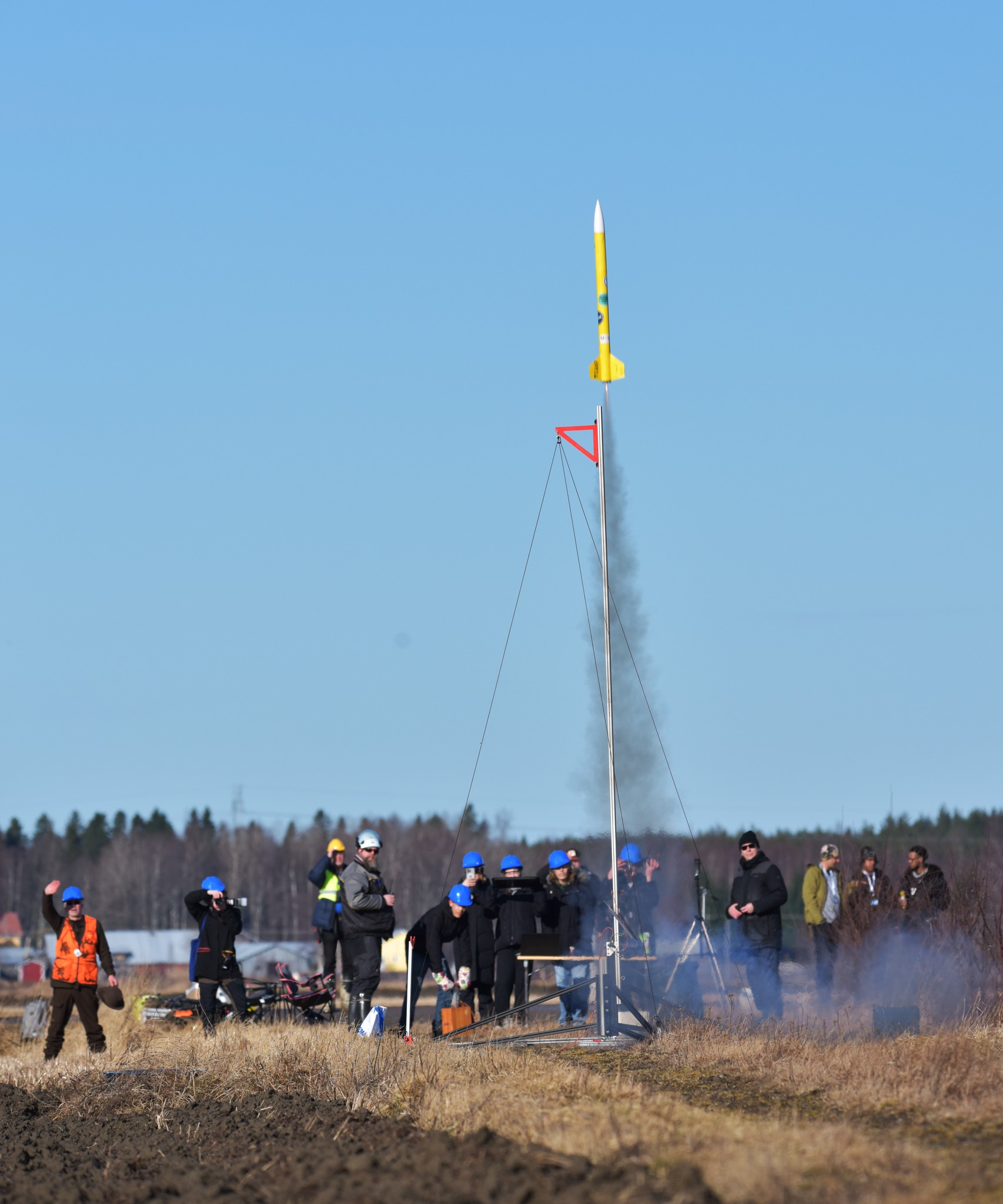
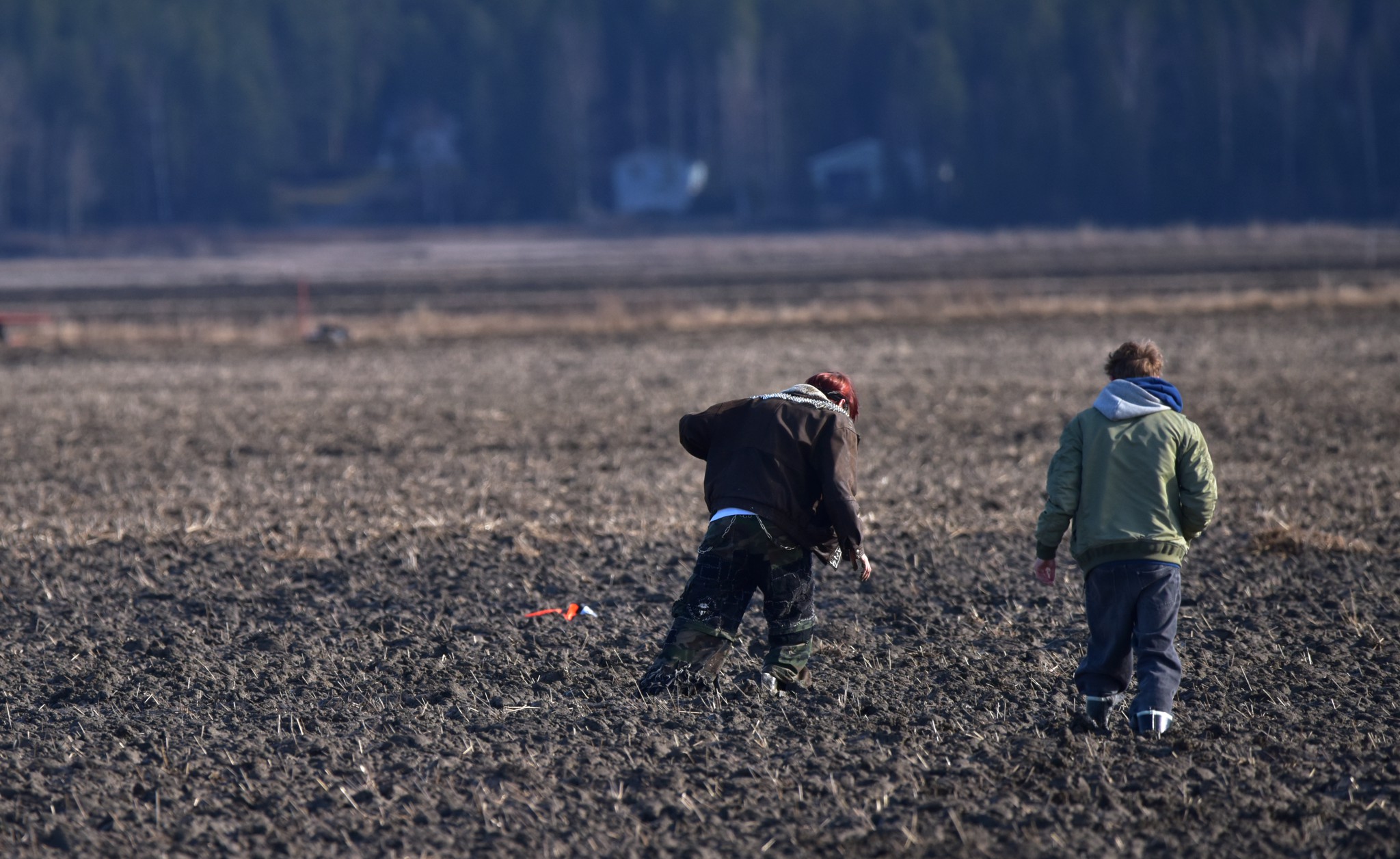
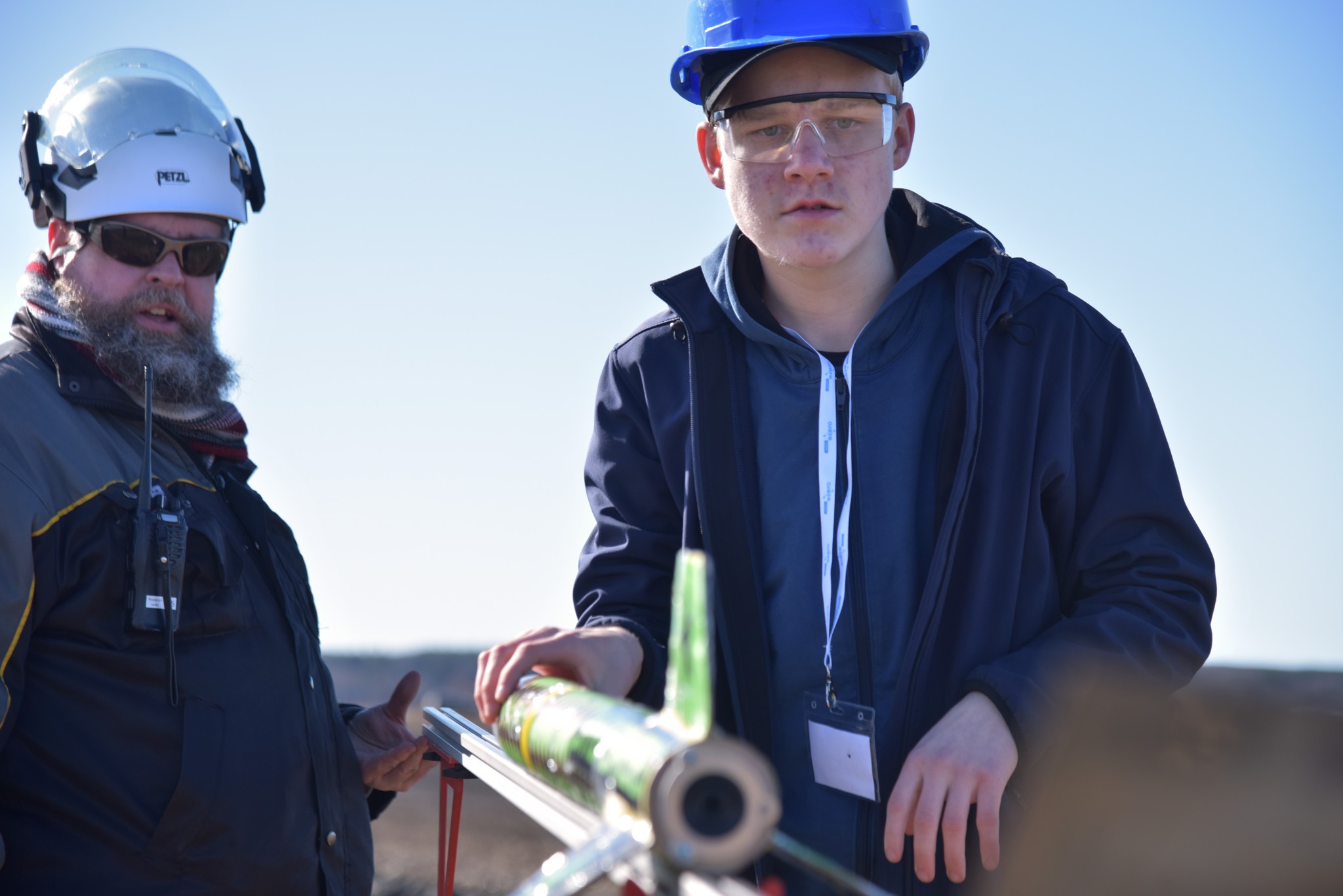
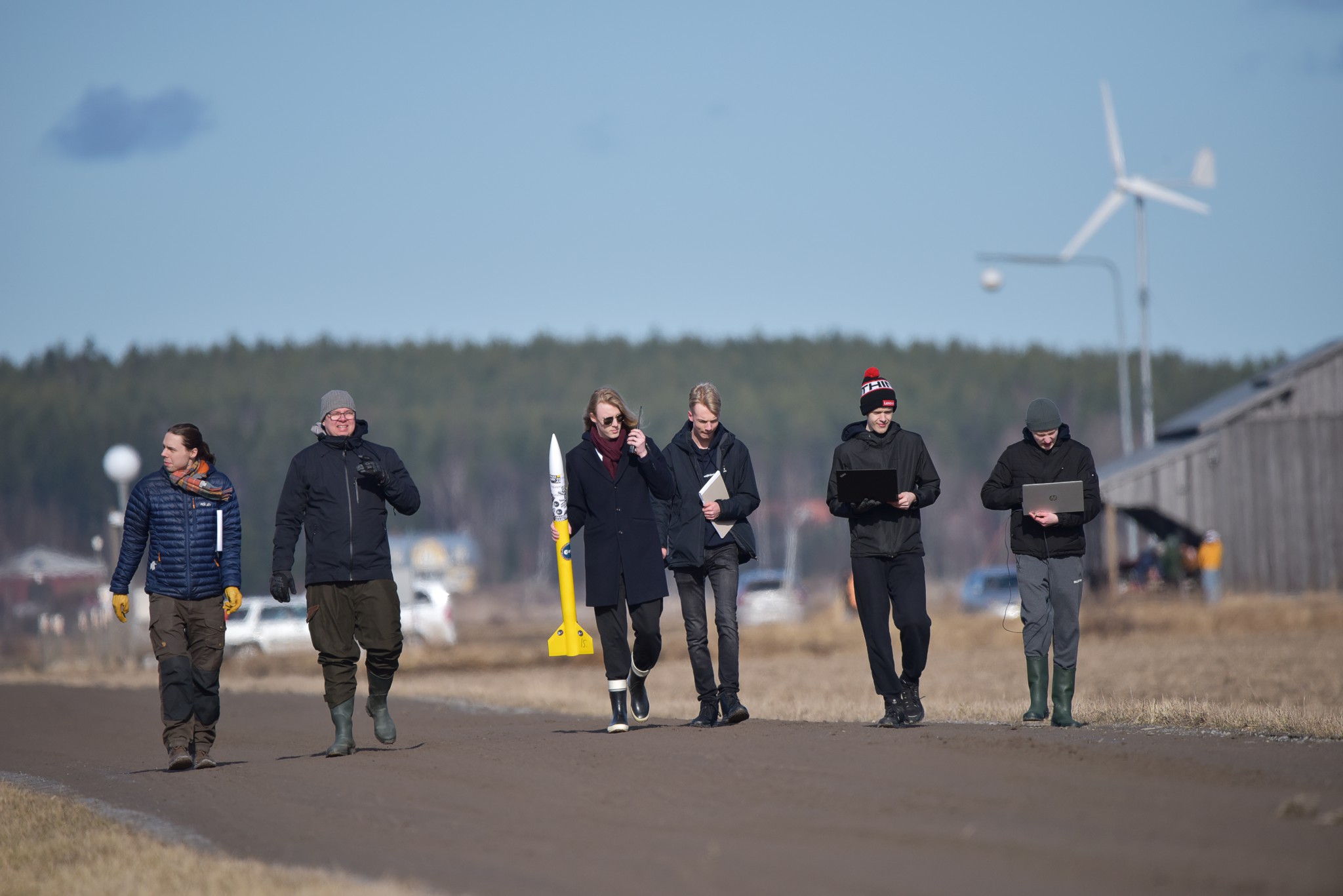
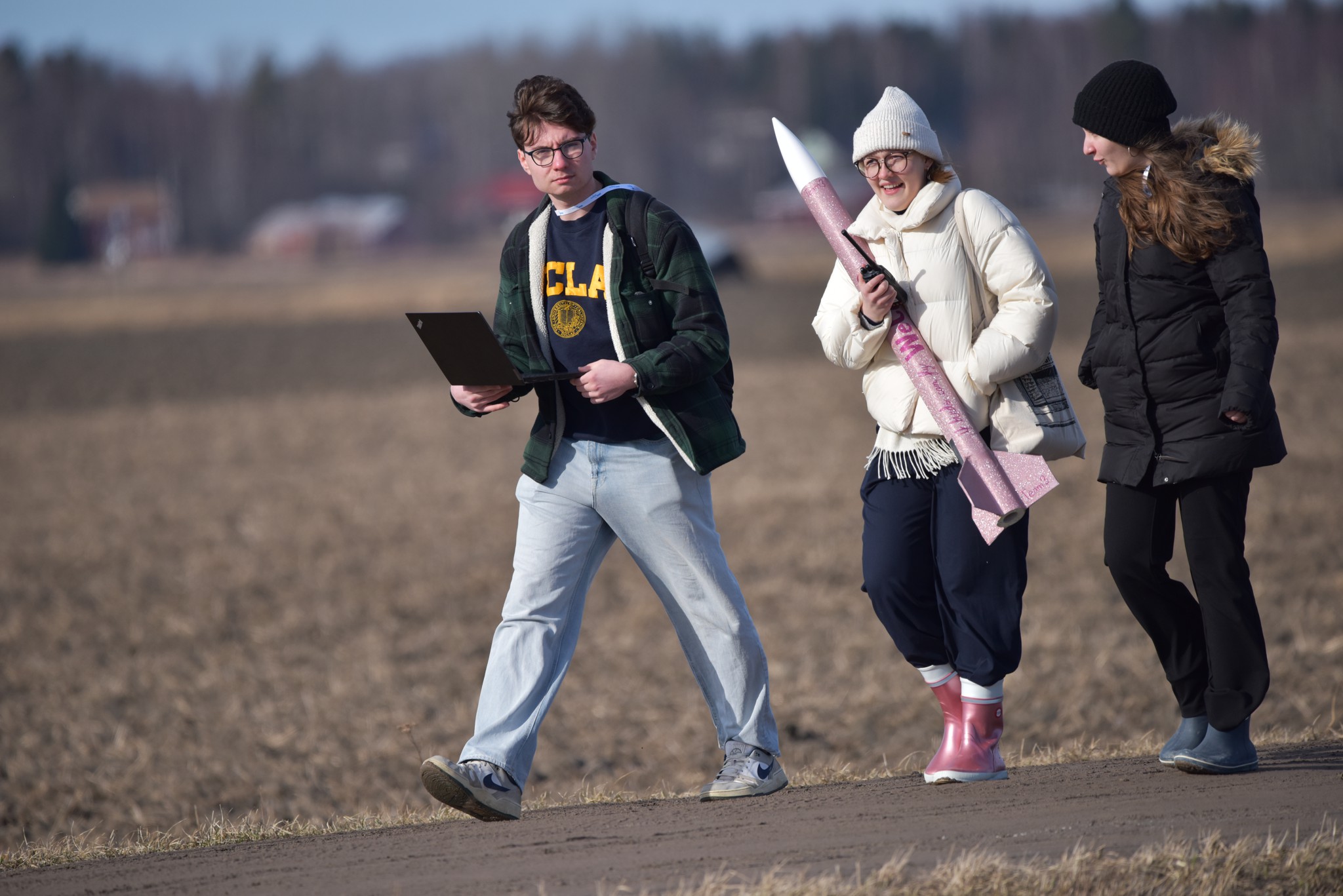
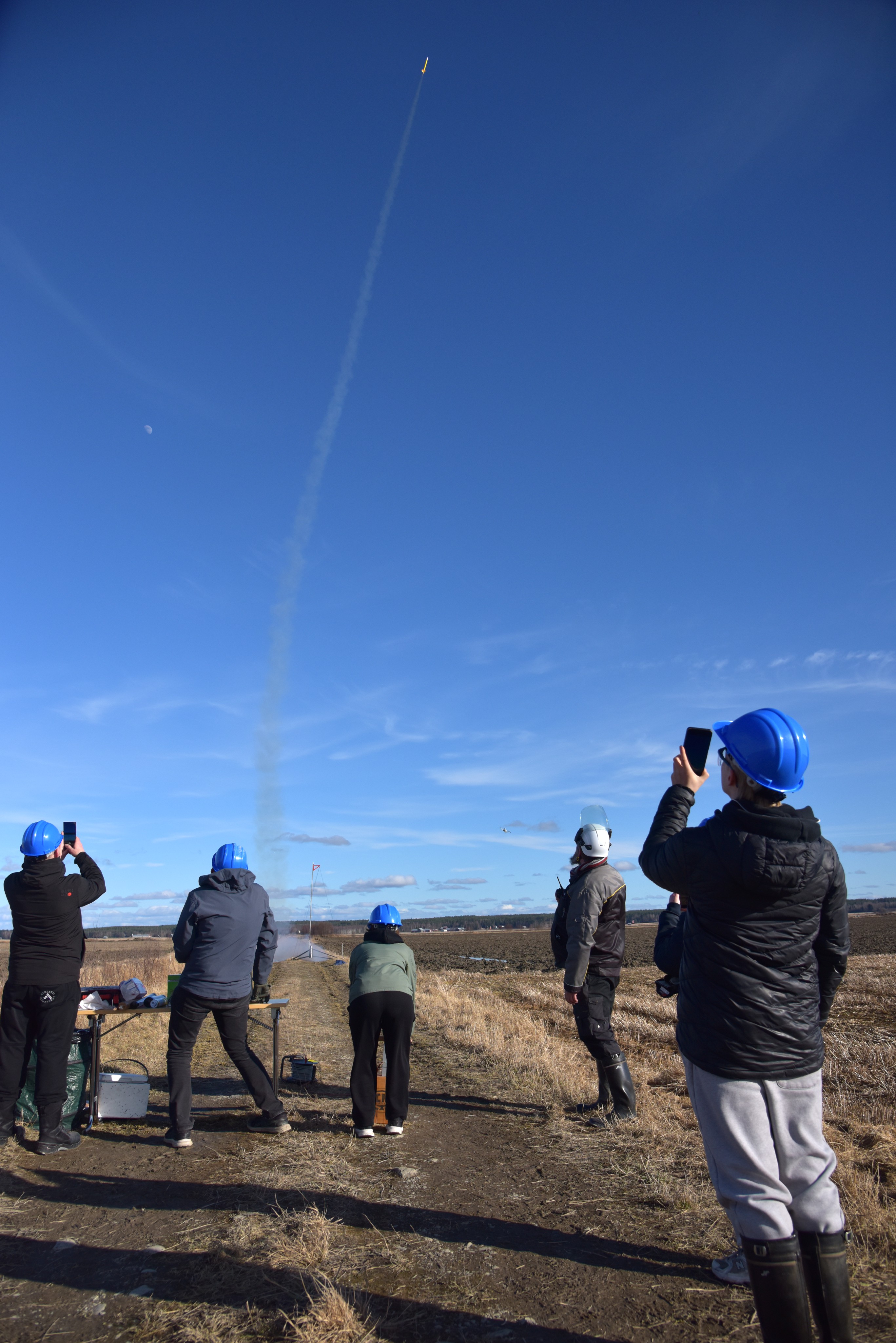
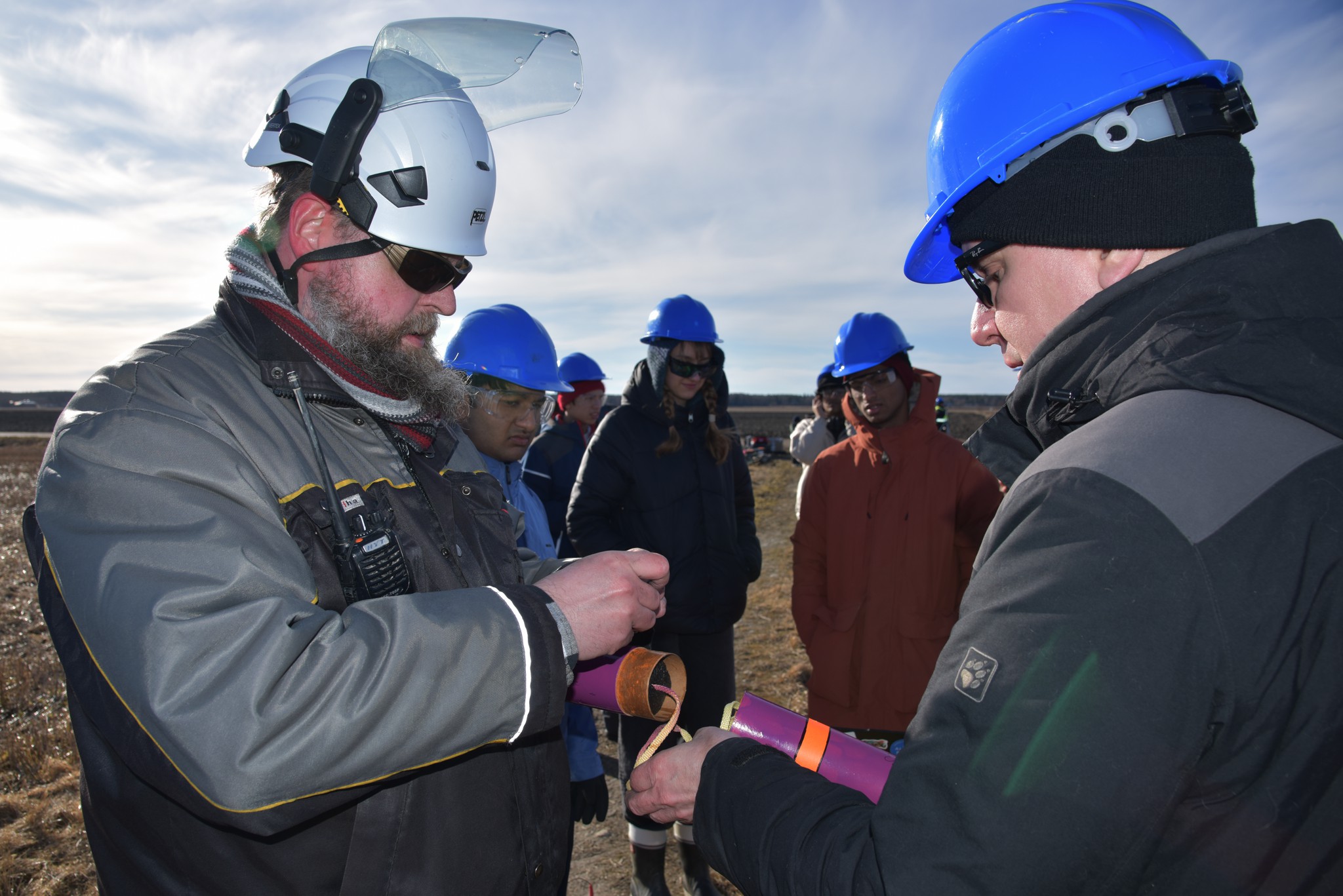
Thanks to perfect weather conditions, a space where the teams could integrate their CanSats into the rockets, and an excellent Rocket Crew, 14 out of 15 of the CanSats had been launched before dinner on the first launch day. The 15th team had an electrical failure in their CanSat and spent the time until Saturday morning soldering and programming. Fortunately, Saturday also offered clear skies. Mission completed.
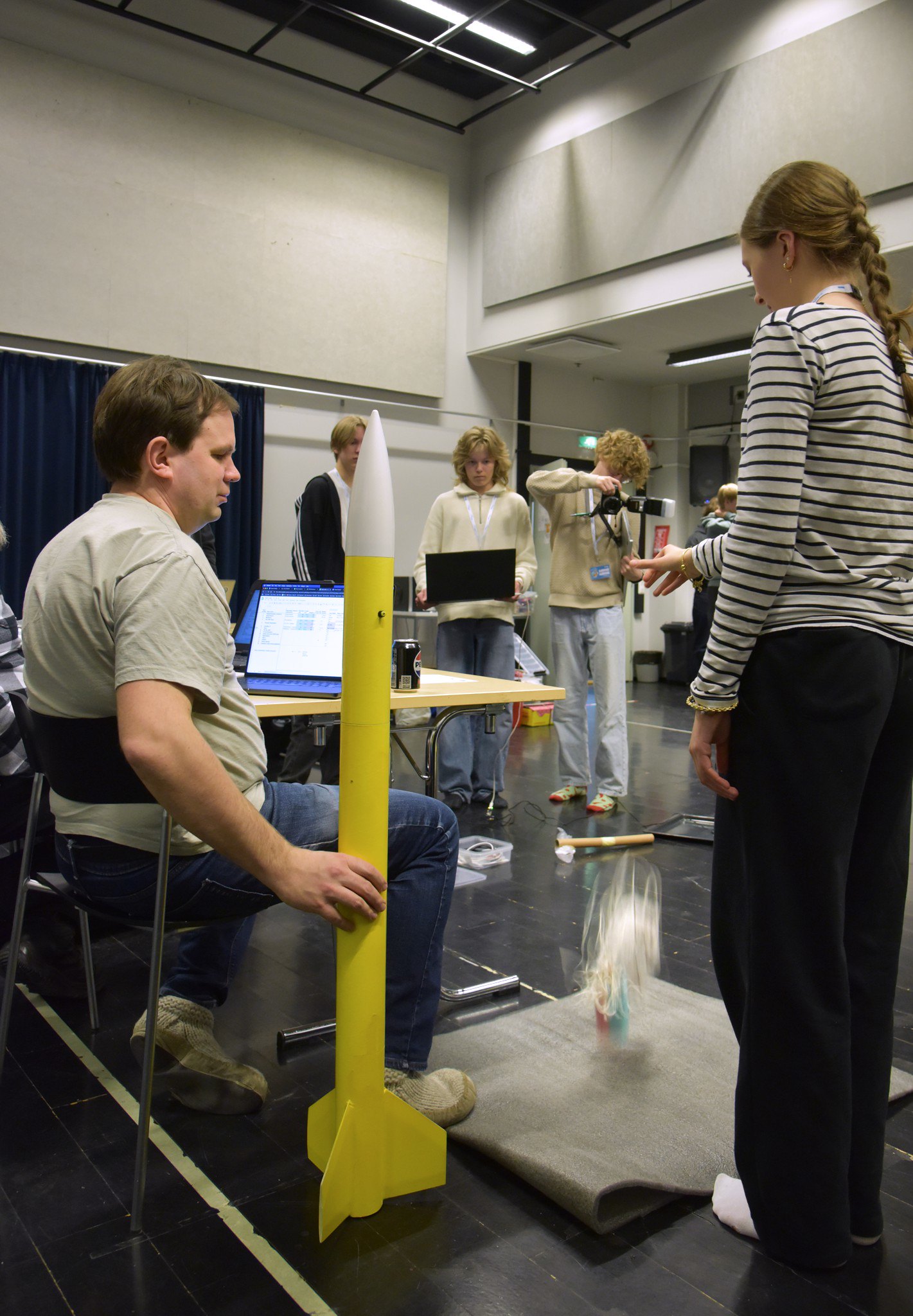
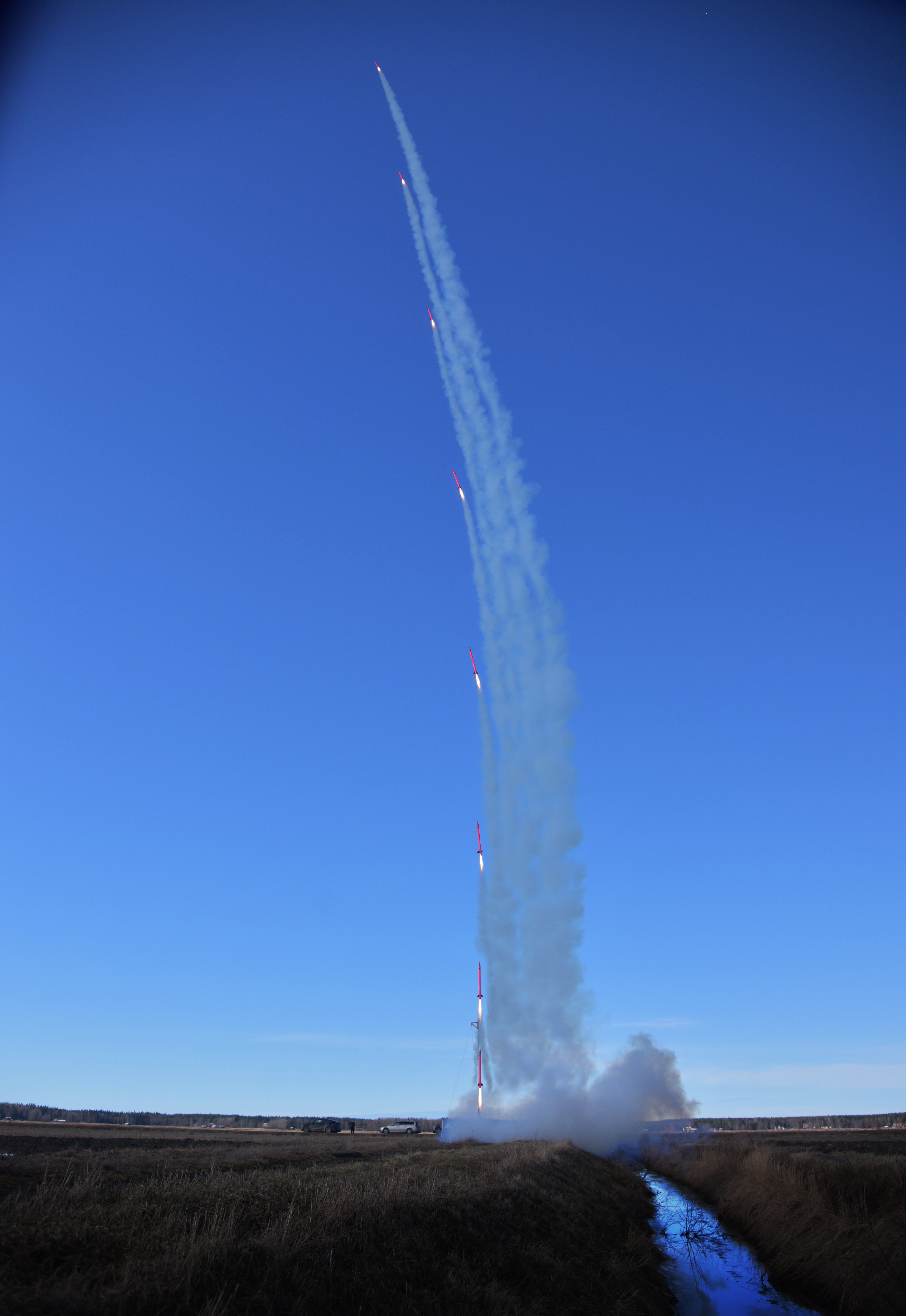
However, a rocket launch is no walk in the park. A rocket is never gentle to its payload. Some teams lost contact with their CanSat during the rocket launch. During the technical inspection, the CanSat is to be dropped onto the floor from a height of 1 m while maintaining telemetry data transmission. The launch is way harder.
After the launch day, every team worked on their final presentations. It’s important for any scientist to share their findings. But sharing just results is not enough. You have to draw conclusions and deliver a science package prepared to make an impact on the audience.
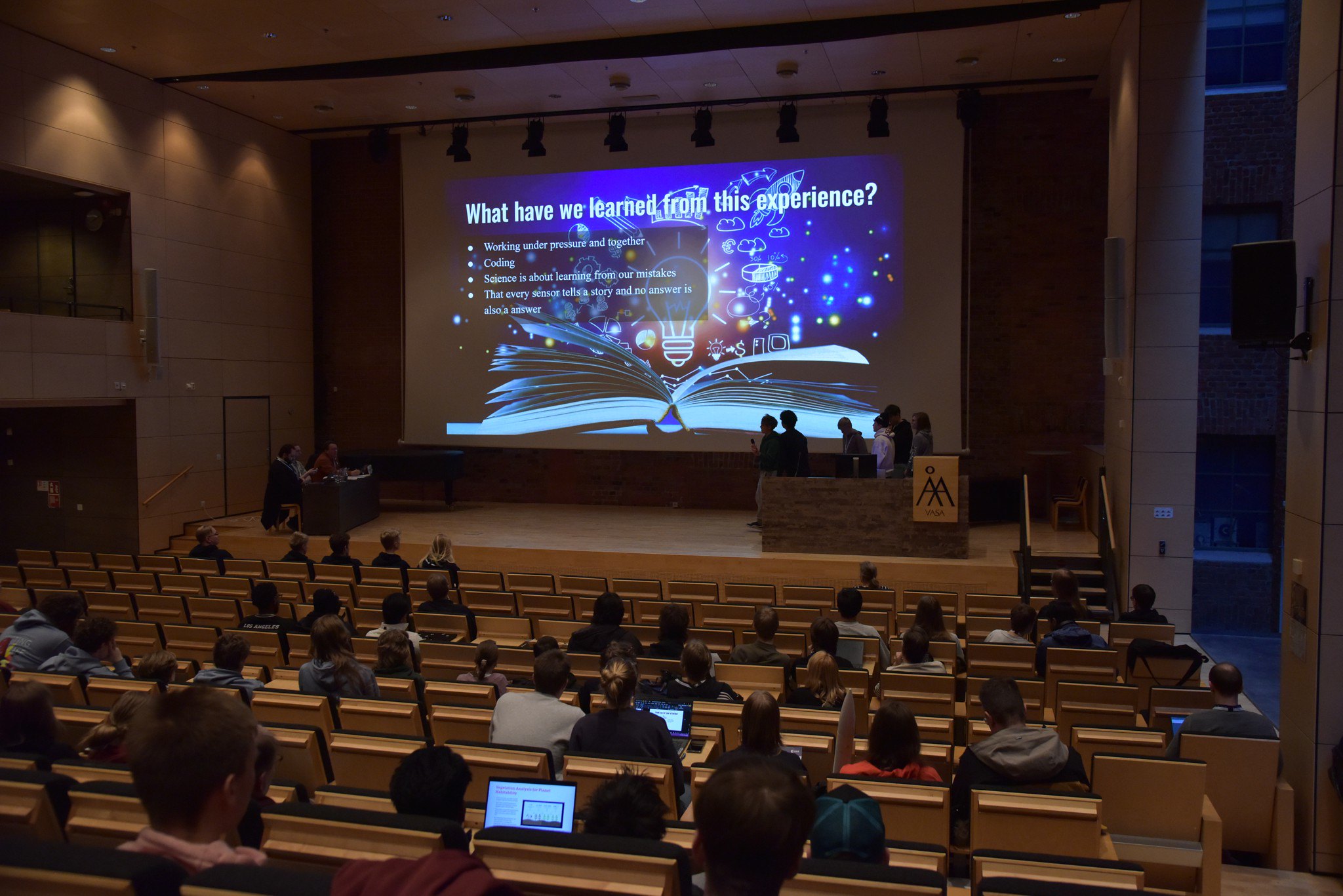
As said, it is a competition. But in events such as these, everyone is a winner. It’s about learning. You may feel a little odd at your school if you are spending your evenings and weekends programming, building a satellite, and focusing on the mathematics and science needed. Here, though, everyone is up to the same interest. Connecting to new friends, sharing thoughts and knowledge, may be gold in the future.
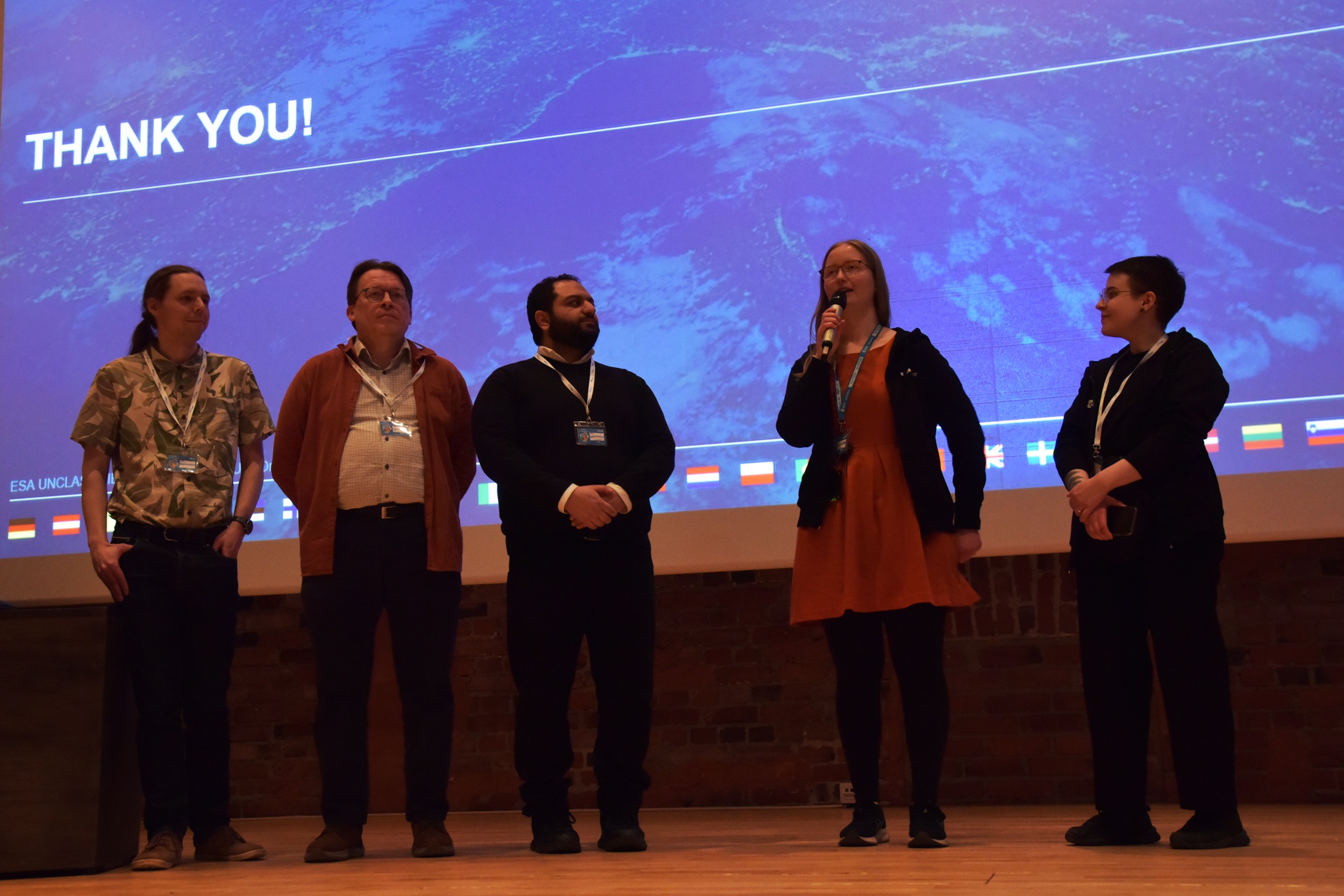
More images on my flickr
Here is a list of this year’s teams, including ways to find their own outreach.
🛰 1. Septentrionalem Cerebrum
@septcercansat
🛰 2. Ekotomtarna
@ekotomtarna
🛰 3. WeCann2
@wecann2.026
🛰 4. Fly Little Pony
@flylittlepony_cansat
🛰 5. Parolan Pakkolasku
@parolanpakkolasku
🛰 6. InterSky LY
@skyly2026
@hameenlinnanlyseonlukio
🛰 7. Altus
@altuscansat
🛰 8. IR Can, WE?
@larkancansat26
🛰 9. Circuit Breakers
https://www.elwis.fi/Cansat2026/
🛰 10. Helios
@helioscansat
tiktok: helios_CanSat_KsyK
🛰 11. Skybreakers
ig: pyhajoenlukio
🛰 12. Otis-1
@cansatotaniemi
🛰 13. C(R)AP
@crapcansat
blog: crapcansat.blogspot
🛰 14. Hellun Känsät
@luonnontiedelukio
🛰 15. Kerttulin Lukion Avaruusjärjestö
@kerlu.avaruusjarjesto
https://kerlucansat.com/
More images at https://www.flickr.com/photos/192360479@N08/albums/72177720332730675
Jag arbetar för ESERO Finland som ”education officer” samt för skolresurs.fi som resursperson.
Inom rymdfysiken och astronomin stöter man ofta på frågan ”Varför?”. När fysiker frågar så menar de vanligtvis ”Hur?” och den frågan är god att peta i. Att dryfta stora frågor ger nyfikenheten näring, vilket i sin tur är en av nyckelingredienserna i många framgångsberättelser.
Tidigare jobbade jag som lärare i bl.a. matematik, fysik och vetenskapliga tillvalsämnen i åk 7-9.
Jan Holmgård

 edugalaxen.com